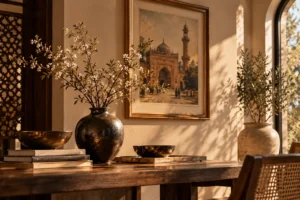
Starting an art collection can be an exciting and meaningful experience. Art allows us to express our personal taste, connect with different cultures and bring creativity into our living spaces.
Many people believe that collecting art requires a large budget or extensive knowledge of artists and artistic movements. However, a meaningful collection can begin with a single artwork that creates a personal connection.
The most important part of collecting art is learning to appreciate what you enjoy and understanding why a particular piece speaks to you.
Discover Your Personal Artistic Taste
Before purchasing your first artwork, spend some time exploring different artistic styles.
You may be attracted to traditional paintings, contemporary abstract art, calligraphy, landscapes or architectural compositions.
Visiting galleries, exploring exhibitions and observing different artists can help you understand your preferences.
Pay attention to the colours, subjects and artistic techniques that capture your interest.
Rather than following trends, choose artworks that reflect your personality and the atmosphere you want to create.
Begin with a Clear Budget
Art collecting does not have to begin with expensive purchases.
Setting a comfortable budget helps you explore suitable options without unnecessary financial pressure.
Emerging artists, small original paintings, drawings and limited-edition prints can provide accessible starting points for new collectors.
It is also important to consider additional costs such as framing, transportation and installation.
Remember that the emotional and artistic value of an artwork may be more meaningful to you than its market price.
Understand the Artwork and the Artist
Every artwork has a background, creative process and artistic intention.
Learning about the artist can deepen your appreciation of the piece.
Consider exploring the artist’s background, artistic style, materials and inspiration.
You can also ask questions about the artwork’s medium, dimensions, condition and authenticity.
When purchasing original artwork, request suitable documentation, such as an invoice and any available certificate of authenticity.
These details help you maintain accurate records of your collection.
Choose Art That Connects with You
A successful art collection should reflect your interests rather than simply follow popular trends.
Some collectors are drawn to artworks that remind them of places, memories or cultural traditions.
Others prefer abstract compositions that encourage imagination and personal interpretation.
When an artwork creates a meaningful connection, it can remain valuable to you even as your tastes and surroundings change.
Art collecting is a personal journey, and there is no single correct way to develop a collection.
Consider the Space Where Art Will Be Displayed
The location of an artwork can influence how it is experienced.
Before purchasing a piece, consider the size of the wall, surrounding furniture, lighting and colour palette of the room.
Large statement artworks can become the central focus of a living room or office.
Smaller pieces can be arranged in groups to create a gallery wall.
Proper placement allows each artwork to receive attention while complementing the surrounding interior.
Avoid prolonged direct sunlight, excessive humidity and unsuitable display conditions, especially for sensitive materials.
Invest in Suitable Framing and Care
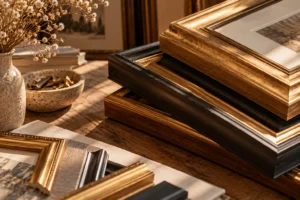
Framing is an important part of presenting and protecting an artwork.
A carefully selected frame can complement the colours, textures and artistic style of the piece.
For valuable or delicate artworks, consider professional advice about conservation-quality materials, glazing and mounting methods.
Regular care also helps maintain the artwork’s condition.
Use appropriate cleaning methods for each medium, and avoid applying household cleaning products directly to painted or delicate surfaces.
Build Your Collection Gradually
There is no need to purchase several artworks at once.
A thoughtful collection often develops over time as your knowledge and preferences grow.
Begin with one or two meaningful pieces and continue exploring different artists and styles.
As your collection expands, you may notice connections between the artworks you choose.
These connections can create a distinctive collection that reflects your experiences, interests and appreciation of art.
Conclusion
Starting an art collection is not about owning the most expensive or famous pieces. It is about discovering artistic expressions that bring meaning, beauty and inspiration into your life.
By exploring different styles, understanding artists, setting a comfortable budget and caring for your purchases, you can build a collection that grows with you.
At Naqshnama Lahore, we believe every meaningful art collection begins with curiosity and a genuine appreciation for creativity.